Refer a Friend - Earn $200

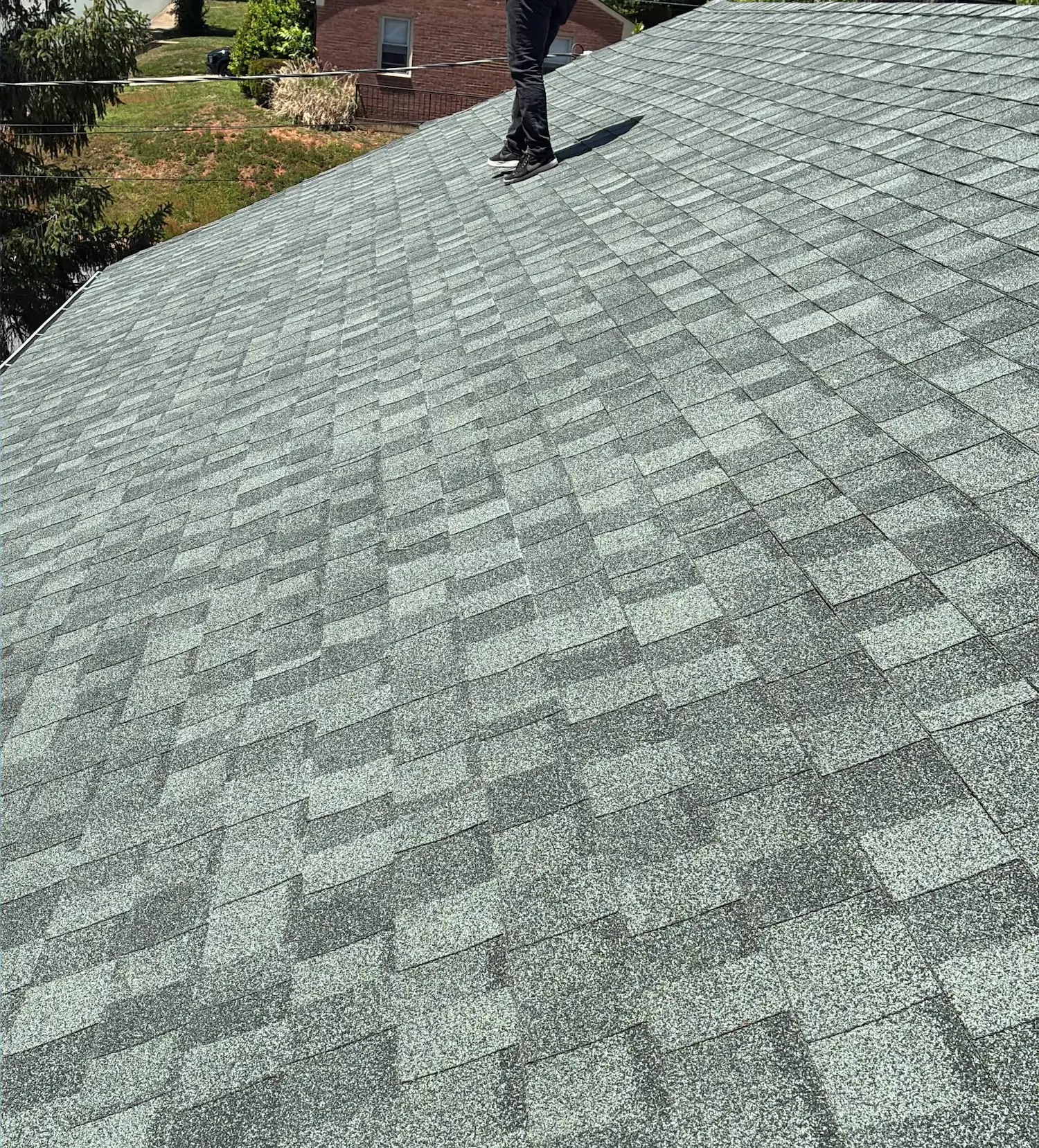
Most modern roof replacements default to ridge vent for exhaust. It's clean, continuous, and it's the right call most of the time. But not every roof. When our Charleston roofing team recently replaced the roof on a single-story-plus-basement home in the area, the ventilation answer wasn't ridge vent at all. It was two new turbines — the same exhaust style the home had run on for years. This is the honest version of a roof replacement: when something on the old roof was actually working, you don't change it just to change it.
Ridge vent works by pulling air through a continuous slot cut along the peak of the roof, paired with soffit intake at the eaves. For that to work well, you need a roof with enough ridge length, the right pitch, and an attic geometry that lets air actually move from soffit to ridge. Plenty of homes — especially older ones, ones with complex rooflines, or single-story homes with limited ridge length — don't meet all three conditions. Forcing ridge vent onto a roof that can't use it properly is worse than no upgrade at all: it can create wind-driven rain entry points without delivering meaningful airflow. The honest move is to evaluate the roof on its own terms, not push every customer toward the same ventilation product.
Turbine vents — sometimes called whirlybirds — use wind to spin a vaned cap that pulls hot air out of the attic. They've been around for decades for a reason: on the right roof, they move a lot of air for a low cost, they require no electricity, and they keep working as long as there's a breeze. The downsides are real (they're more visible, the bearings eventually wear, and they don't draw in dead-calm conditions), but they're a legitimate exhaust solution — not a fallback. For this home, two new turbines replaced two aging ones on the same proven layout. Old units come off, new units go on with proper flashing, and the home's existing intake-and-exhaust balance keeps doing what it was already doing well.
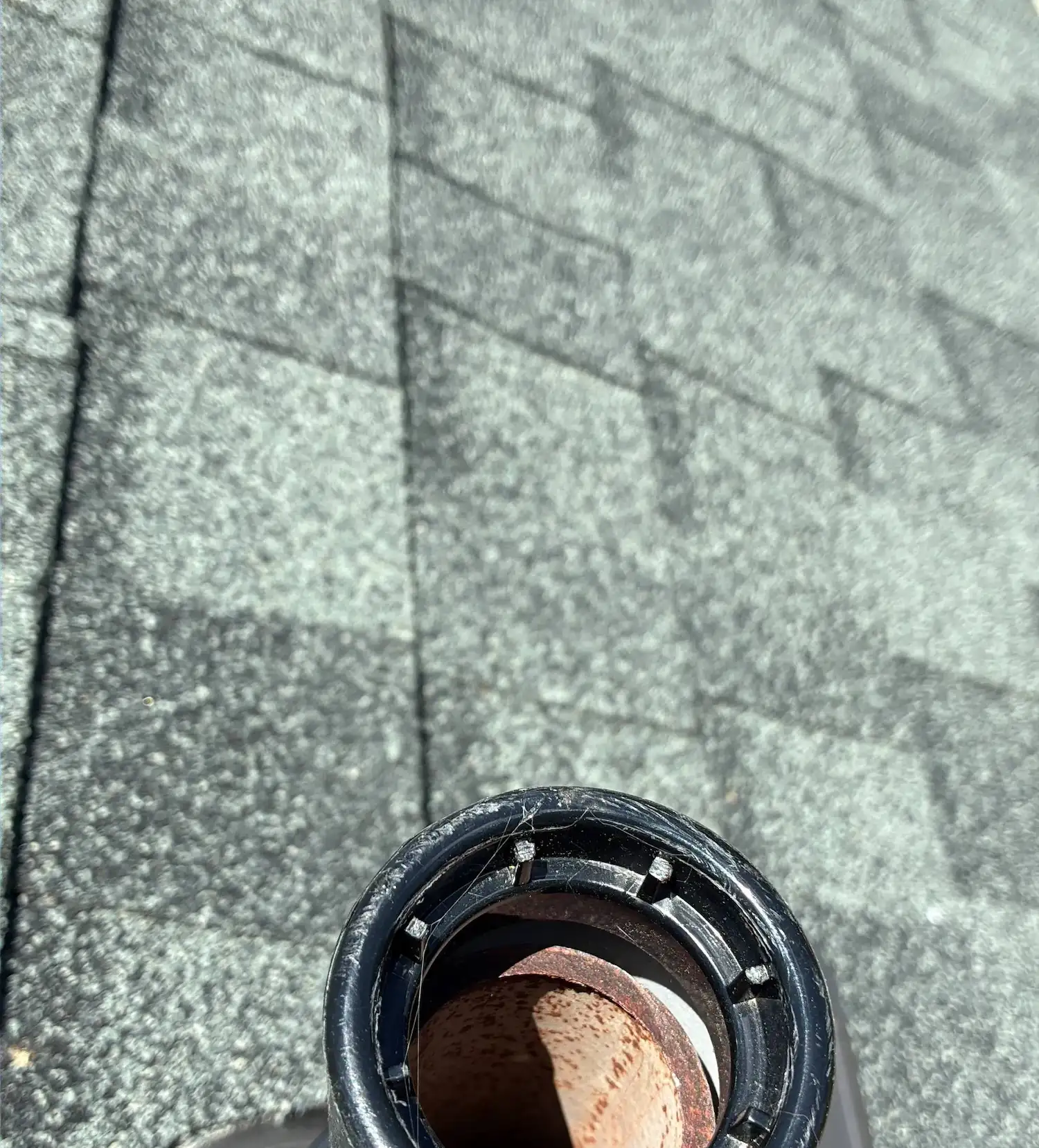
Everything else on the home got the full Cenguard Gold treatment. Full tear-off to a clean deck — no layover — then ice and water shield at the eaves, valleys, pitch changes, and every penetration, followed by synthetic underlayment across the rest of the field. New TAMKO Titan XT architectural shingles, new metal drip edge in white, and counter and step flashing replaced where needed. Plumbing boots were swapped for lifetime models so the most common future leak point is taken off the maintenance list. This is what we'd want on our own homes, which is why it's our standard offering for owner-occupied single-family roofs across West Virginia.
The full specification for this Charleston-area replacement:
This roof was installed under the Cenguard Gold package, which covers both workmanship and material defects and transfers to a new owner if the home sells within five years of completion. The workmanship-plus-materials coverage is the part that distinguishes our standard warranty from a shingle-only manufacturer warranty — the installation itself is backed, not just the product. Homeowners weighing tier-by-tier options can also look at our breakdown of Silver, Gold, and Platinum coverage if the trade-offs aren't clear from the proposal.
If a roofer tells you every roof needs ridge vent, they're selling — not diagnosing. The right ventilation depends on the roof you actually have, not the one the catalog assumes. Every Cenvar replacement comes with $0 down and no payment until the job is complete, plus our 100% satisfaction guarantee, and Service Finance financing is available through a third-party lender if you'd rather spread the cost. Our Charleston team is happy to walk your roof and give you a straight answer about what ventilation it actually needs — request a free roofing estimate and we'll tell you what we see.

.svg)