Refer a Friend - Earn $200

_cropped.avif)
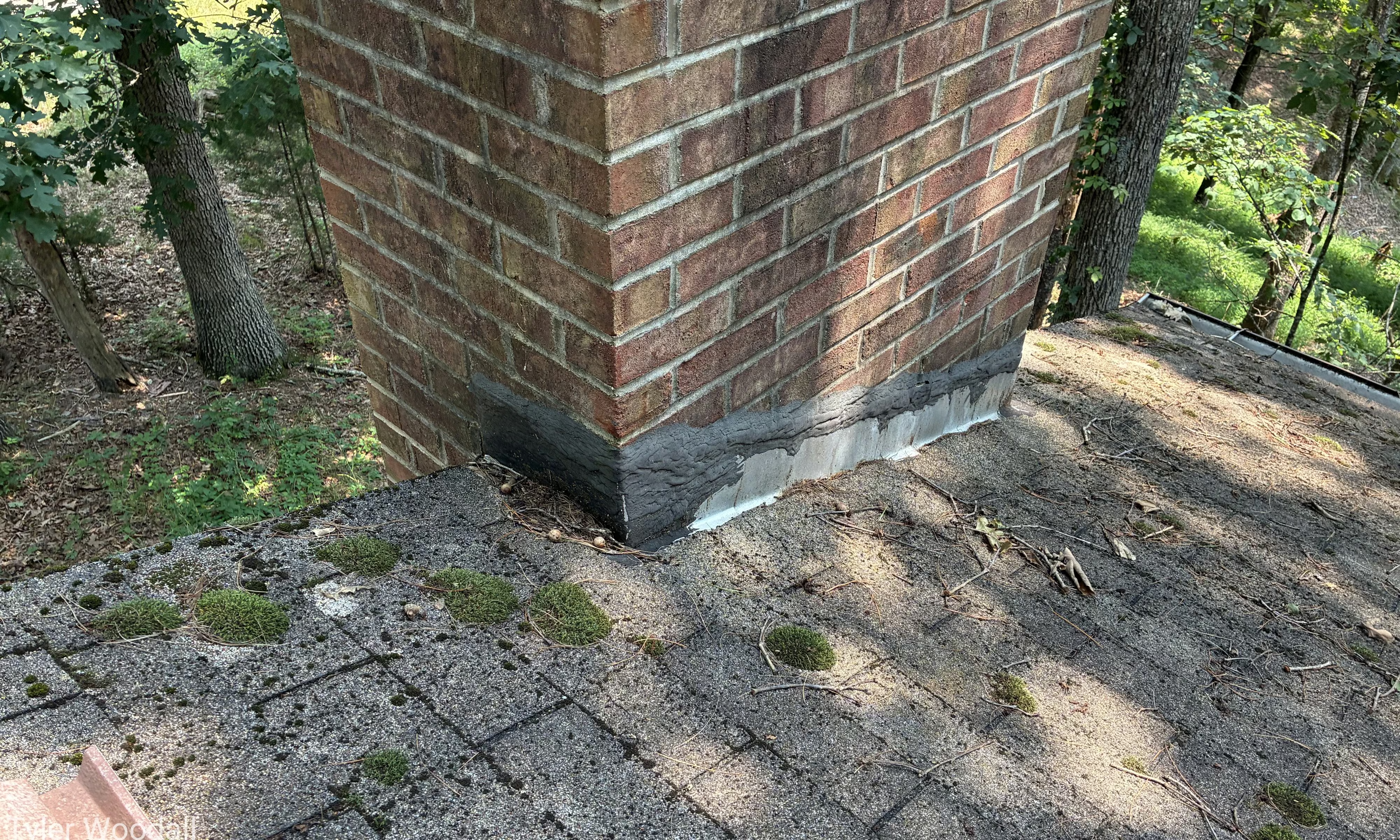
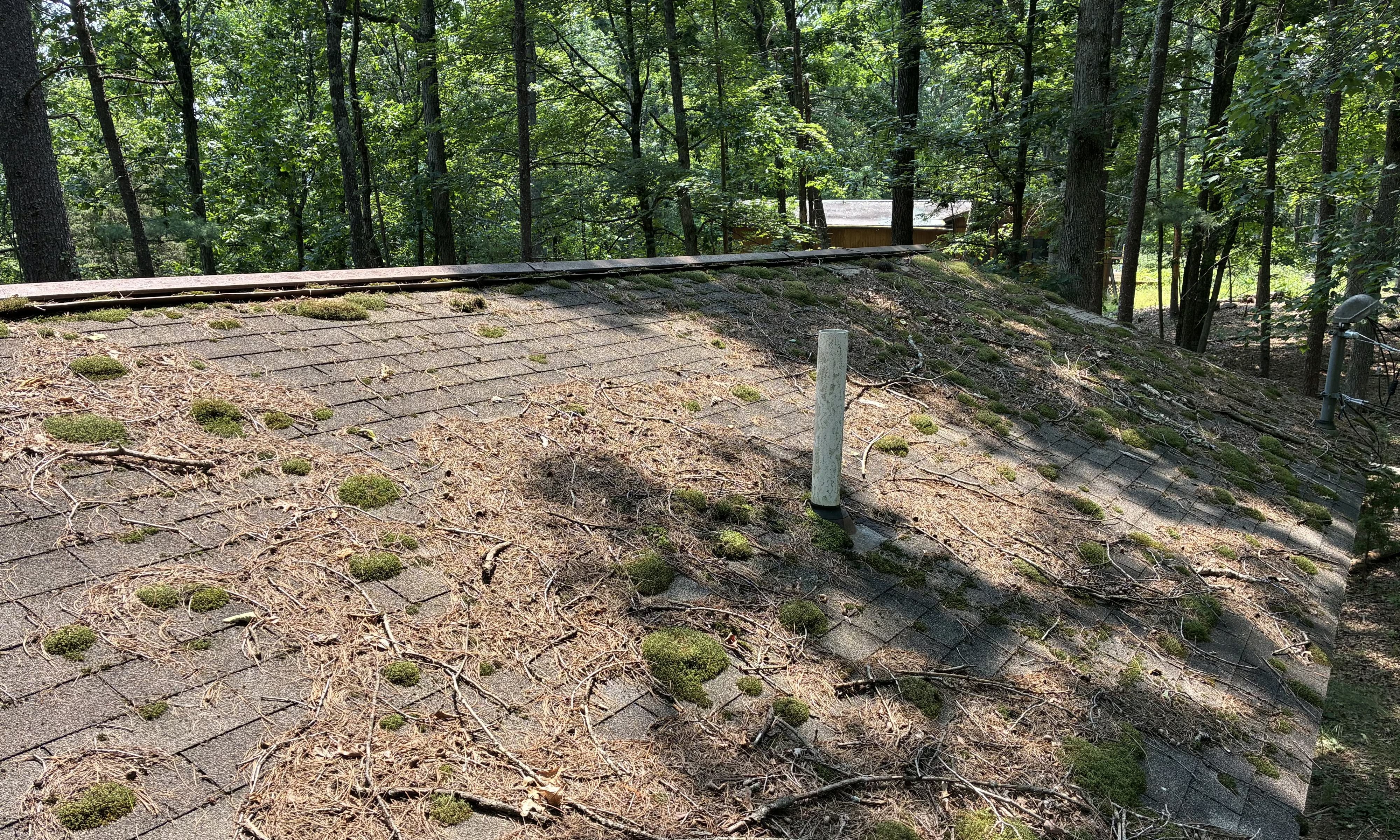
When a homeowner on Snyders Ridge Road in Mathias, WV needed a new roof, the smartest first question wasn't "what color?" — it was "what material?" His roof sits at a low 3/12 pitch, and on a slope that shallow, the choice between metal and shingles carries real consequences. Rather than push one product, our Harrisonburg-area roofing team prepared two complete estimates so he could decide with full information. While Mathias is over the line in West Virginia, it's well within the service range of our Harrisonburg branch, which handles this kind of low-slope work regularly.
Roof pitch drives everything about how water leaves a roof. On a steep roof, water sheets off quickly; on a low 3/12 slope, it moves slowly and has time to work its way under materials. Standard asphalt shingles are rated for lower slopes only when backed by extensive waterproofing, while a mechanically seamed metal system is built to keep water out on shallow pitches by design. That's why, on this roof, the material decision mattered more than it would on a typical steep roof — and why we walked the homeowner through both paths honestly.
The first estimate was for a 24-gauge standing seam snaplock metal roof — a premium, long-lifespan system whose raised, interlocking seams are ideal for shedding water on a low slope. It included matching 24-gauge trim, snow hooks suited to a mountain-area home, and a range of color options from standard tones to premium finishes like Copper Penny, Dark Red, and Gallery Blue. Standing seam also carries a lifetime workmanship warranty on full replacements. We're always upfront that metal can show some "oil canning" (light waviness on flat areas) — a purely cosmetic trait, not a defect — so homeowners know exactly what to expect.
The second estimate was a more budget-friendly shingle roof replacement using premium architectural shingles such as Owens Corning TruDefinition Duration. Because of the low slope, this option leans heavily on additional ice-and-water shield across the vulnerable decking — the waterproof membrane that lets shingles perform on a shallower pitch. It's a proven, cost-effective approach when installed correctly, with that extra waterproofing doing the heavy lifting a steeper roof wouldn't require.
Both options are legitimate; they simply serve different priorities. Metal costs more up front but offers exceptional longevity and low-slope performance, while shingles keep the budget down with the right waterproofing behind them. A thorough roof inspection and two clear estimates gave the homeowner what he needed to weigh cost against lifespan and make the call himself — which is exactly how it should work.
Whichever direction a homeowner chooses, the work is backed by our workmanship guarantee, with no deposit and no payment until the job is complete, and Service Finance financing available. It's the straightforward, no-pressure guidance our West Virginia-area roofing crews bring to every home.
Have a low-slope or flat roof and aren't sure whether metal or shingles is right? That's exactly the kind of question we love to answer. Schedule your free roofing estimate today and let our Harrisonburg-area team lay out your best options.

.svg)