Refer a Friend - Earn $200

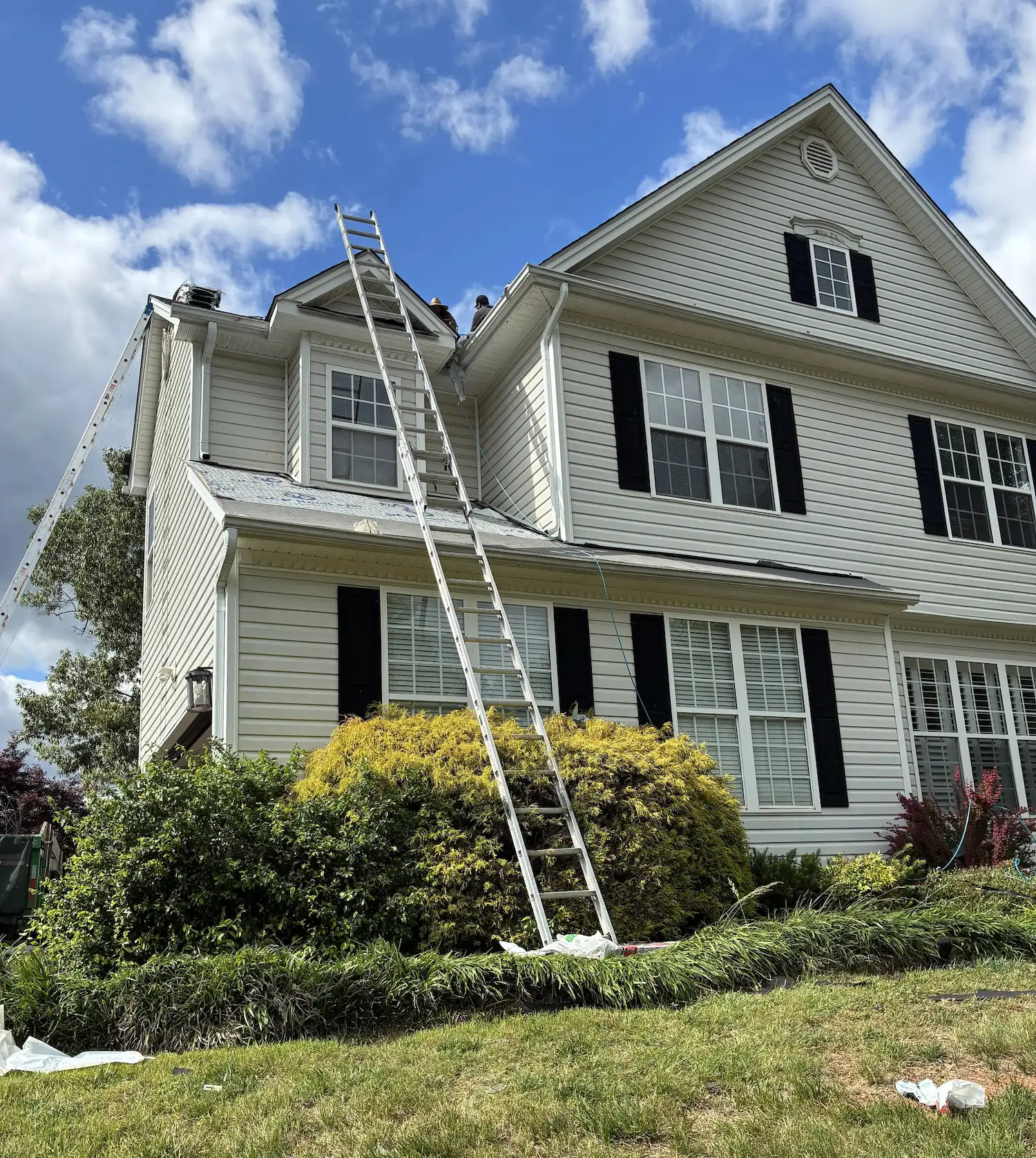
Solar panels and asphalt shingles don't age at the same rate. A typical architectural shingle roof lasts 20–30 years; a solar array is often warrantied for 25 years or more. So a growing number of homeowners across Cabell County and the greater Huntington area run into the same puzzle: the panels are fine, but the roof underneath them has reached the end of its life. Our Huntington roofing team handles this scenario regularly, and it has a few wrinkles a standard reroof doesn't. Here's what to know before you start.
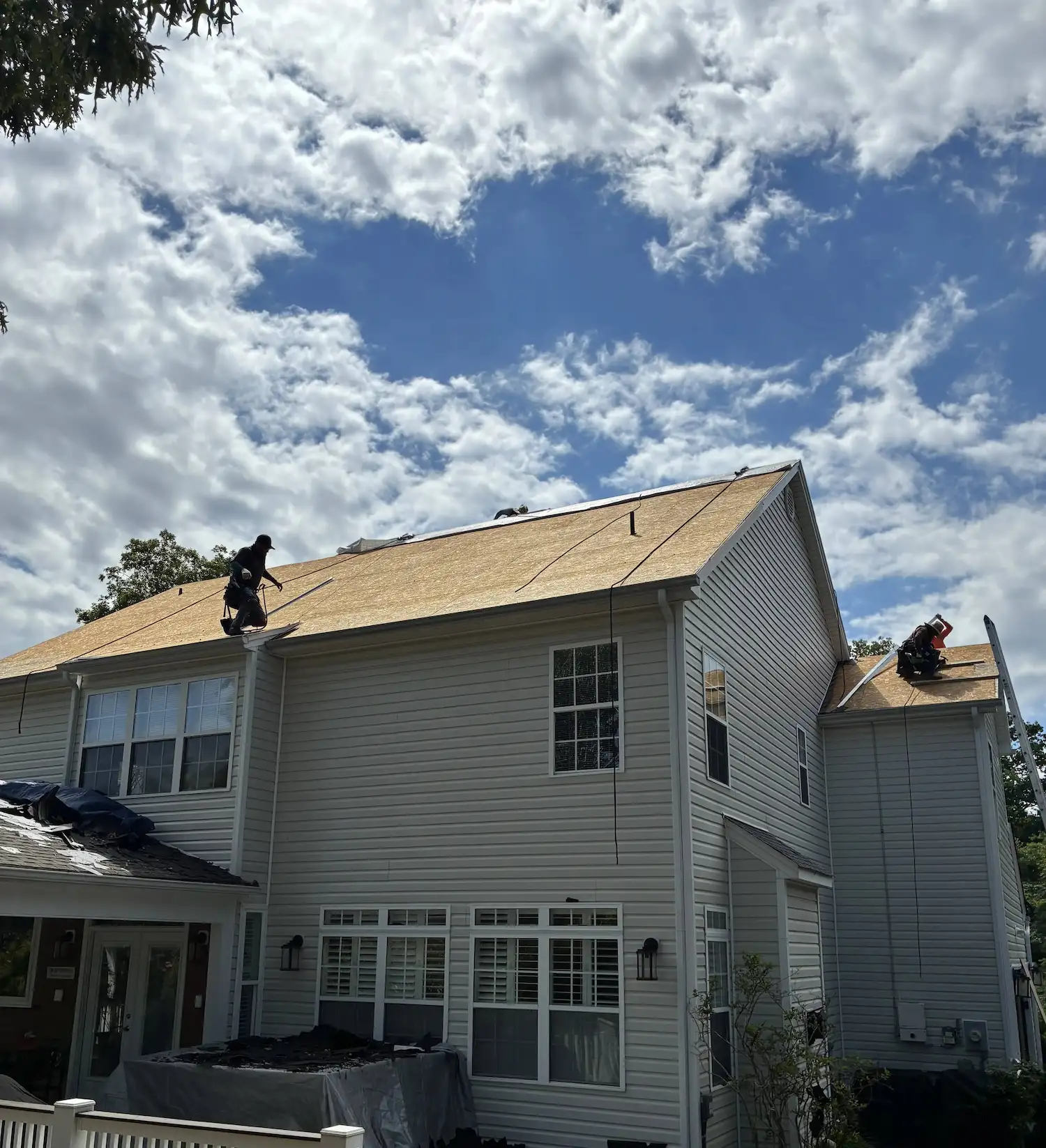
The first thing homeowners ask is whether the panels can simply stay put while we work around them. Unfortunately, no. A proper roof replacement is a full tear-off down to the deck — every old shingle removed, the decking inspected, new underlayment and shingles installed across the entire surface. That can't happen with solar panels and their mounting rails bolted to the roof. The panels have to come off before the tear-off and go back on after the new roof is down.
That single fact reshapes the whole project timeline, because it brings a second contractor into the picture.
Roofers don't decommission and reinstall solar arrays; solar professionals do. The panels carry live electrical connections, and the mounting hardware ties into both the roof structure and the home's electrical system. So a solar reroof is a coordinated, two-trade job: the homeowner arranges for a qualified solar company to remove the array (and disconnect it safely) before our crew arrives, and to return to remount and recommission it once the new roof is complete. We sequence our work around that schedule.
It's worth budgeting for that solar removal-and-reinstall as a separate line item from the roof itself. Building it into the plan upfront avoids the most common headache on these projects — a finished new roof sitting for days waiting on the solar crew to come back, or vice versa.
Here's the detail most homeowners never hear until something leaks: when two different companies handle the roof and the solar, responsibility for leaks around the solar penetrations can fall into a gap between them. We're transparent about this. Our roof warranty fully covers leaks around solar attachments only when Cenvar handles both the roof and the solar system. When we do only the roof and a separate company remounts the panels — drilling new penetrations through our fresh shingles — some leaks originating at those mounts may fall outside our coverage.
That's not a catch; it's physics and accountability. Whoever drives the last fastener through the roof surface owns the seal around it. We spell this out before the job so there are no surprises, and we coordinate closely with the solar crew to get the mounts flashed and sealed correctly. It's part of the "Ethical. Expert. Engaged." standard — telling you about the gray areas before they become problems.
Underneath the solar logistics, the roof replacement is a complete, quality system. A project of this type includes a full tear-off, decking inspection (with replacement decking handled at a clear per-sheet rate), ice-and-water shield at the eaves, valleys, and penetrations, synthetic underlayment across the field, new flashing, and architectural shingles — frequently Tamko Titan XT in a color like Thunderstorm Gray — all backed by our 25-year Cenguard Gold workmanship-and-materials warranty. For a 25-plus-year-old roof showing wear and the first signs of a drip, replacing now (rather than after the next leak spreads) is the move that protects both the home and the solar investment sitting on top of it.
If you've got panels on an aging roof anywhere across the Tri-State region, our Huntington team can walk you through the whole sequence — timeline, coordination with your solar provider, and exactly what's covered. Every project starts with a genuine roof inspection and an honest shingle replacement assessment, and we offer $0-down financing through Service Finance. Schedule a free roofing estimate and we'll map out the full picture before any panels come off.

.svg)