Refer a Friend - Earn $200

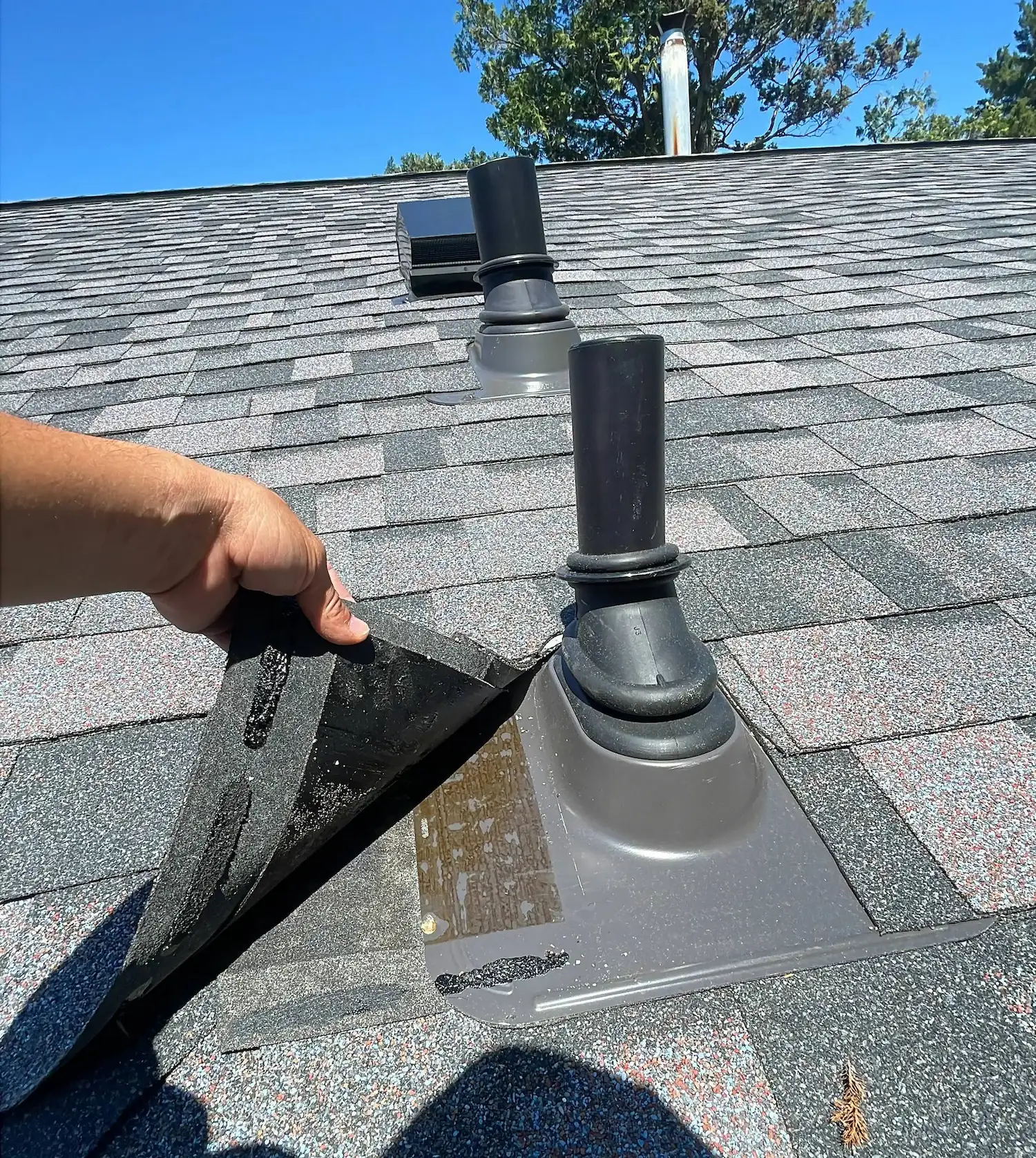
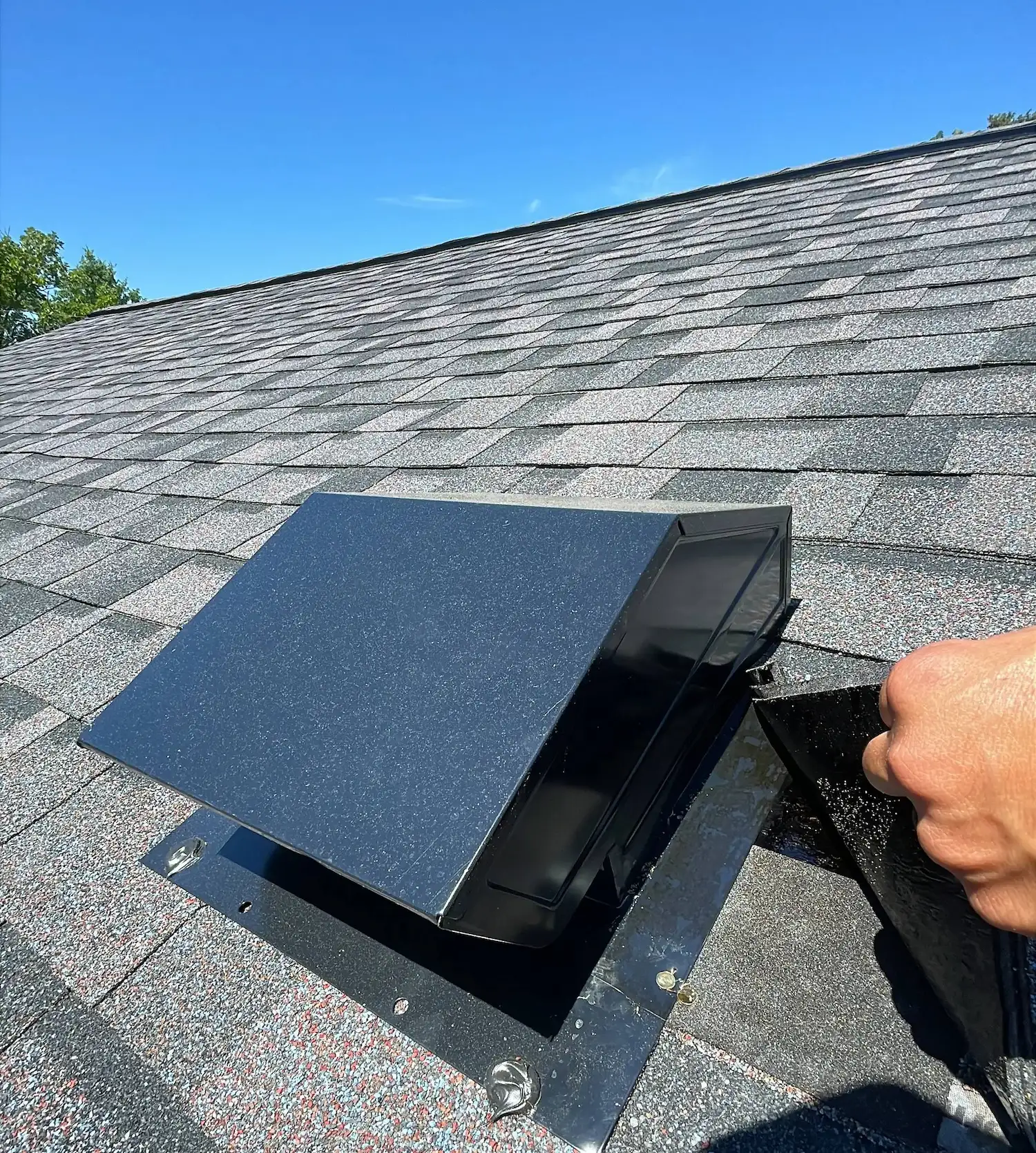
Ask most homeowners what a new roof is, and they'll picture the shingles. Fair enough — the shingles are the part you see. But ask a roofer where roofs actually leak, and you'll get a different answer: almost never in the open field of shingles, and almost always at a penetration — a pipe, a vent, a flashing point where something pokes through the roof plane. It's a distinction our State College roofing team talks through with homeowners across Centre County and the surrounding region, because it's the single best argument for why a full replacement is worth more than a patch. Here's what's really going on up there.
A field of shingles is a simple, redundant, overlapping system — water hits it and runs off. A penetration is the opposite: it's a hole, deliberately cut through the roof, sealed by a boot, collar, or flashing that has to stay watertight for decades despite constant thermal movement and UV exposure. Plumbing vent boots are the classic example. The rubber or neoprene gasket that seals around the pipe is almost always the first component on a roof to fail — typically cracking and leaking years before the shingles themselves are worn out.
That's why, when you pull back a shingle near an aging boot, you'll often find the telltale signs: a brittle, split gasket, daylight around the pipe, or staining on the decking below. The shingles around it can look perfectly healthy while the penetration quietly lets water in.
This is where a complete tear-off and replacement delivers value a repair simply can't. When our crew strips a roof to the deck, every penetration gets addressed as part of the system — not patched around. A full replacement of this type includes:
A patch repair, by contrast, fixes the one boot that's leaking today and leaves every other aging penetration in place to fail next. For a roof that's genuinely near end-of-life, that's the difference between solving the problem and chasing it.
For this kind of replacement we frequently install Owens Corning TruDefinition Duration architectural shingles — a wind- and weather-resistant upgrade over builder-grade three-tabs — as part of our 25-year Cenguard Gold system, which covers both workmanship and materials and transfers to a new owner within five years of completion. But the shingle is only the visible layer. What protects a State College home through Pennsylvania's freeze-thaw winters is the whole assembly working together: sound decking, a continuous underlayment system, and every penetration sealed correctly. A homeowner upgrading from an aging roof can also opt for lifetime plumbing boots, which eliminate the single most common long-term leak point entirely.
None of this means every roof needs replacing. When the field is sound and a single penetration is the only problem, a targeted repair is the right, economical call. The deciding factor is the overall condition — and the only way to know is to get on the roof and look. That's why every project starts with a genuine roof inspection, not a sales pitch, and why we'll tell you honestly whether a full shingle replacement or a smaller fix is the smarter use of your money. It's the core of our "Ethical. Expert. Engaged." promise.
If your roof is showing its age — or you've spotted staining near a vent or pipe — our State College team is glad to take a look. We offer $0-down financing through Service Finance on full replacements, so cost is never a barrier to doing it right. Schedule a free roofing estimate and we'll give you the honest assessment.

.svg)