Refer a Friend - Earn $200

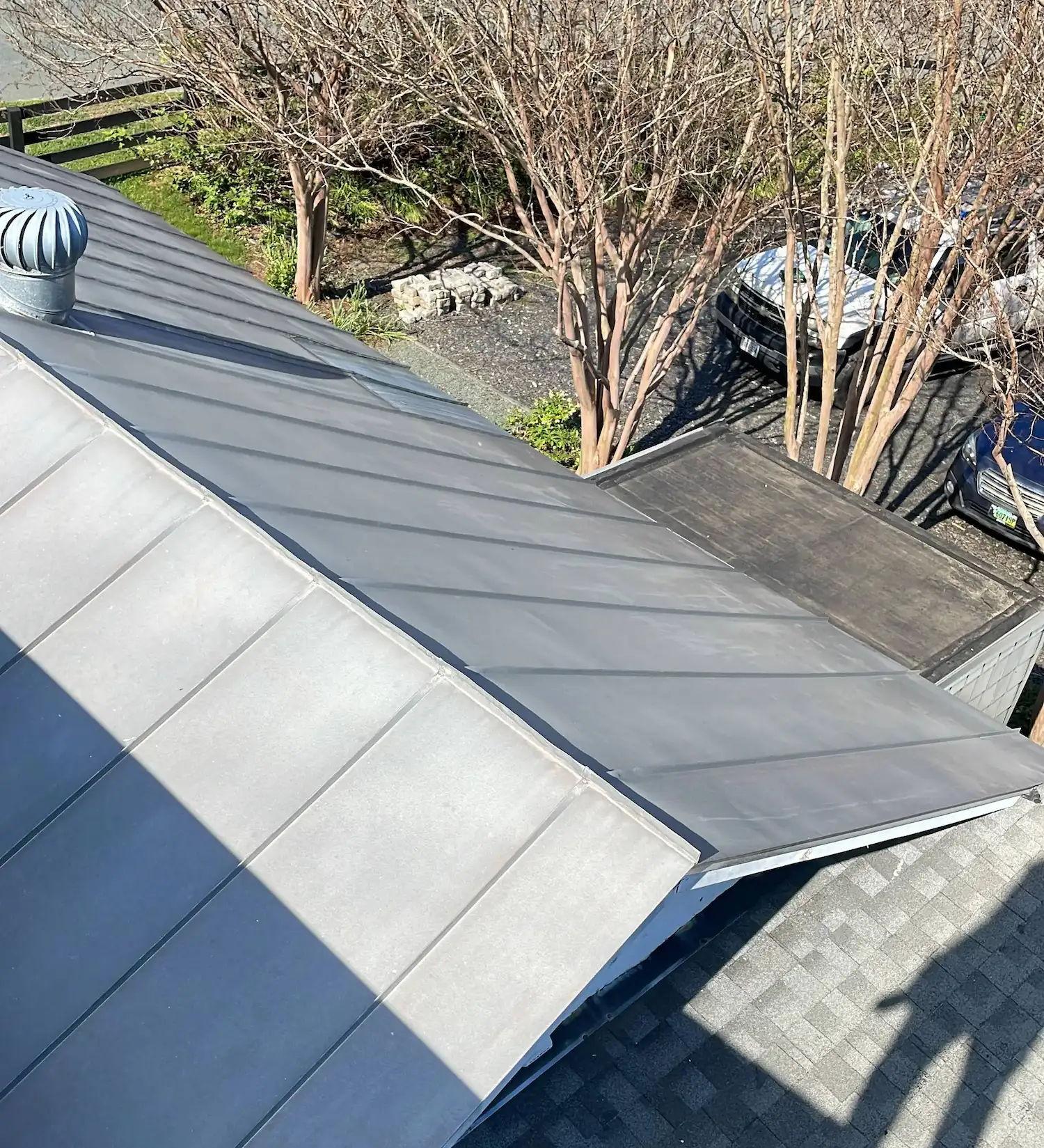
Not all roof leaks are created equal. Some are simple — a single lifted shingle, a cracked pipe boot. But the calls our Culpeper roofing team finds most interesting are the ones at a material transition — the spot where two or even three different roofing materials meet on the same roof. A scenario we handle regularly across Culpeper County and the surrounding Piedmont involves a leak at exactly that kind of junction: where asphalt shingle, sheet metal, and a flat rubber membrane all come together at one vulnerable point. Here's why these are the trickiest repairs on any roof, and how we approach them.
Every roofing material expands and contracts at a different rate as temperatures swing through the seasons. Asphalt shingles, galvanized or aluminum metal, and EPDM rubber membrane each move by a different amount on a hot July afternoon versus a January night. Where they meet, that differential movement works relentlessly on whatever seals the joint — caulk, mastic, flashing, or membrane lap. Over years, the seal fatigues, opens a hairline gap, and water finds it. This is why transitions, valleys, and penetrations account for the overwhelming majority of leaks on roofs whose field shingles are otherwise in fine shape.
It's also why these spots resist the "just add more caulk" approach so many homeowners try first. A bead of sealant over a moving joint is a temporary patch on a permanent stress point — it'll buy a season, maybe two, before the same movement reopens it.
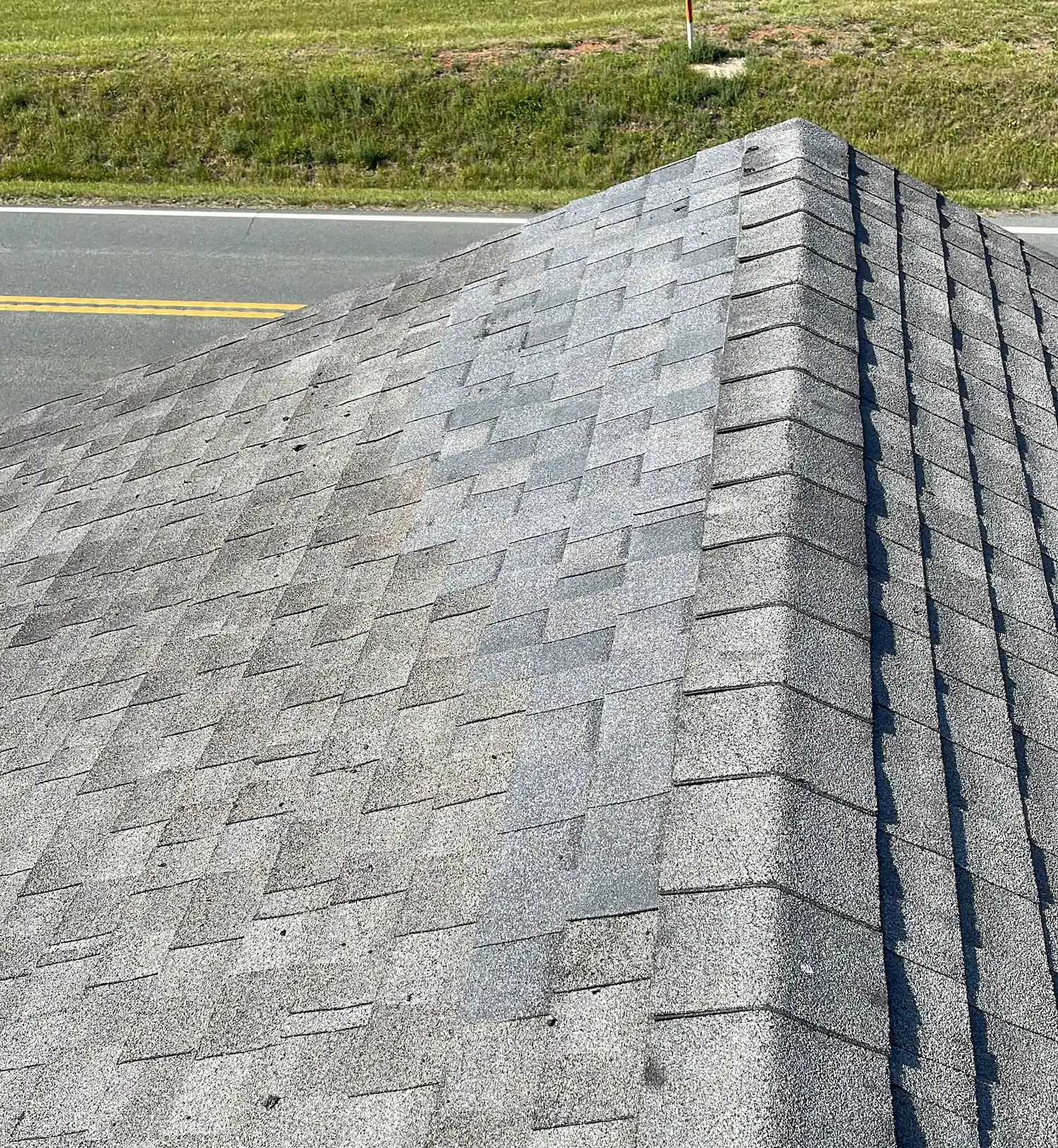
A representative project of this type breaks into two distinct work areas, each handled differently:
The ice-and-water shield is the quiet hero here. Unlike standard synthetic underlayment, it self-seals around fasteners and bonds directly to the deck, which is exactly what a chronic-leak transition needs as a secondary defense behind the surface materials.
Here's something our Virginia roofing teams put in writing on repair proposals, and it matters: we don't guarantee leak-repair attempts. That can sound surprising coming from a contractor, but it's the honest position. A targeted repair at a complex transition is our best-judgment first attempt to solve the problem at the lowest cost to the homeowner — but the only way to guarantee a roof won't leak is to replace it entirely. We'd rather tell a homeowner that plainly than promise a miracle from a patch and a tube of sealant.
That transparency is the whole point of our "Ethical. Expert. Engaged." promise. For a homeowner whose field shingles are still sound and who isn't ready for a full replacement, a focused repair is absolutely the right first move — it's cost-effective and often lasts for years. We just believe in being clear about what a repair can and can't promise, so the decision is the homeowner's to make with full information.
The deciding factor is the condition of the field. When the bulk of the roof is healthy and the trouble is confined to a transition or a wind-exposed ridge, a targeted roof repair is the smart, economical path. When the field shingles are curling, balding, or near the end of their service life, putting money into spot repairs is throwing good money after bad — and a full shingle roof replacement is the better long-term value. The honest answer comes from getting on the roof and looking, which is why a professional roof inspection is always the right first step.
If you've got loose shingles after a windy stretch, a stubborn leak you can't trace, or water showing up where different parts of your roof meet, our Culpeper team is glad to take a look and give you a straight assessment. Schedule a free roofing estimate and we'll tell you honestly whether a repair will do the job — or whether your money is better spent elsewhere.

.svg)