Refer a Friend - Earn $200

Replacing a roof on a single detached home is one thing. Replacing one in a managed HOA community — a villa, patio home, or attached-unit neighborhood — is a different exercise entirely. There are architectural standards to meet, a mandated shingle line and color to match, and often an adjoining unit whose roofline has to tie in seamlessly. It's a scenario our Winchester roofing team handles regularly across the planned communities of Frederick County and the surrounding Northern Shenandoah Valley, and it's one where experience with the local HOAs makes a real difference. Here's how we approach it.
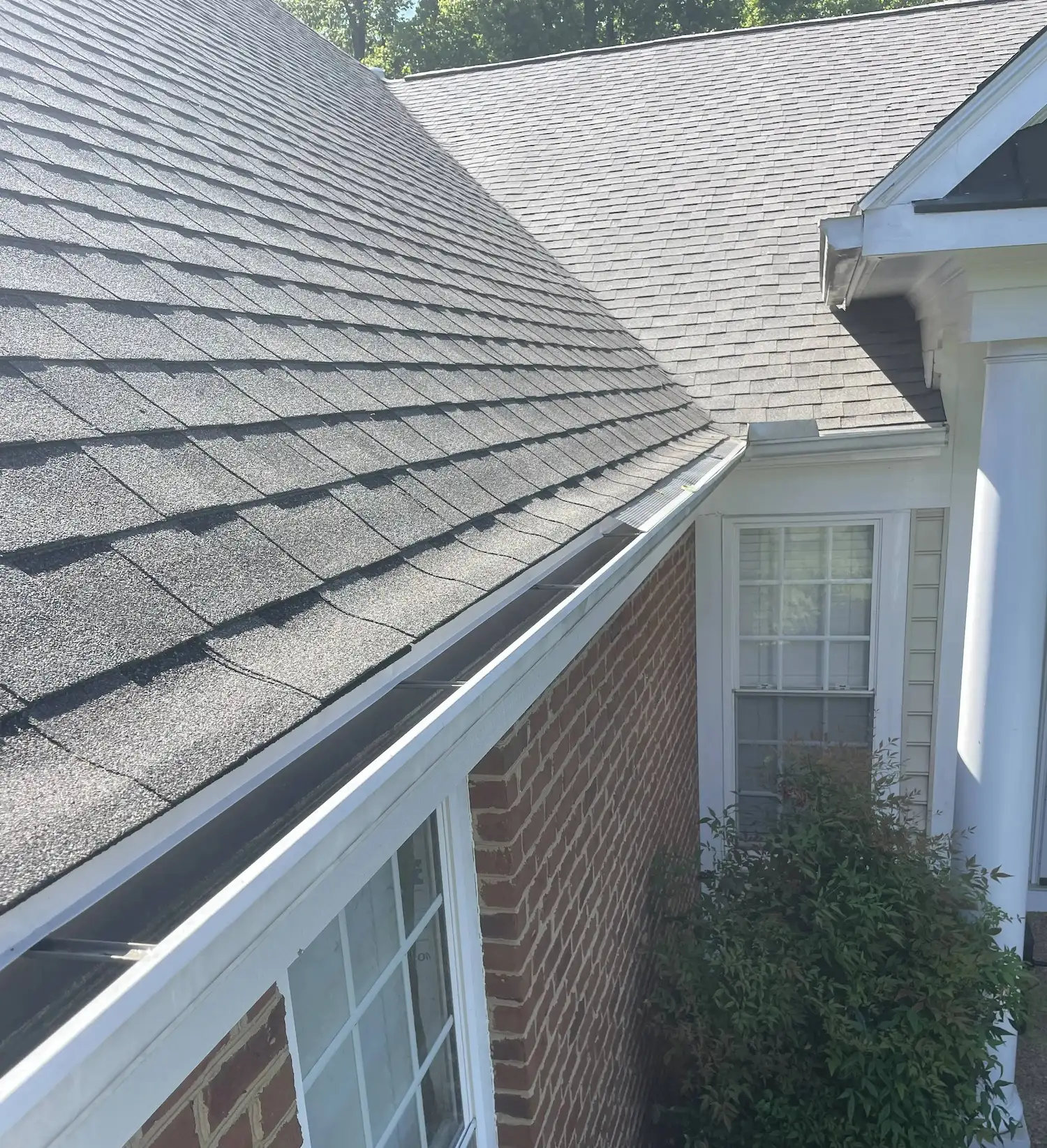
A representative project of this type is a one-story brick villa — often with a walkout basement — whose original builder-grade roof has reached around twenty-plus years of age. There's no dramatic failure, no active leak; the roof is simply at the end of its service life and due for proactive replacement before problems start. On a detached home, the homeowner would simply pick a shingle and a color and we'd go. In an HOA community, the process has an extra layer: the association dictates what's allowed.
That's not a hurdle so much as a known parameter. The key is working with a roofer who has already done jobs in the community and understands its requirements before the first conversation.
Most HOAs that govern villa and patio-home communities maintain architectural guidelines that specify which roofing materials and colors are permitted — often down to a single approved shingle line and one or two sanctioned colors. The goal is visual consistency across the neighborhood, and it's enforced. A homeowner who installs the wrong shingle can be required to redo the work at their own expense. For a project like this, the specified system is Tamko Titan XT architectural shingles in Weathered Wood — a color chosen to match the community standard, not just personal preference.
Because our crews have worked in these Virginia communities before, we come to the table already knowing the approved products. That saves the homeowner the back-and-forth of submitting samples, waiting on architectural-review-board responses, and risking a rejected selection. We install to the HOA's standard the first time.
HOA compliance governs the appearance — but the system underneath is where the long-term value lives. A complete villa reroof of this type includes:
The whole package is backed by the Tamko Titan XT manufacturer warranty plus our 25-year Cenguard Gold workmanship-and-materials warranty, transferable if the home changes hands within five years — a genuine asset in a community where homes turn over.
Many villa and patio-home roofs share a roofline with a neighboring unit. When that's the case, the work has to be sequenced and tied in so the finished result reads as one continuous, watertight roof — not two mismatched halves. That coordination adds a day or two to the timeline, but it's the difference between a roof that looks and performs like it belongs and one that announces itself as a patch job. It's exactly the kind of detail an HOA's architectural board notices.
If you own a villa, patio home, or townhouse in a Frederick County or Northern Shenandoah Valley HOA community and your roof is aging, our Winchester team can make the process simple — including knowing your association's approved products before we start. We offer $0-down financing through Service Finance and start every project with a genuine shingle roof replacement assessment, not a sales pitch. Schedule a free roofing estimate and we'll walk you through exactly what your community requires and what your replacement will involve.

.svg)