Refer a Friend - Earn $200

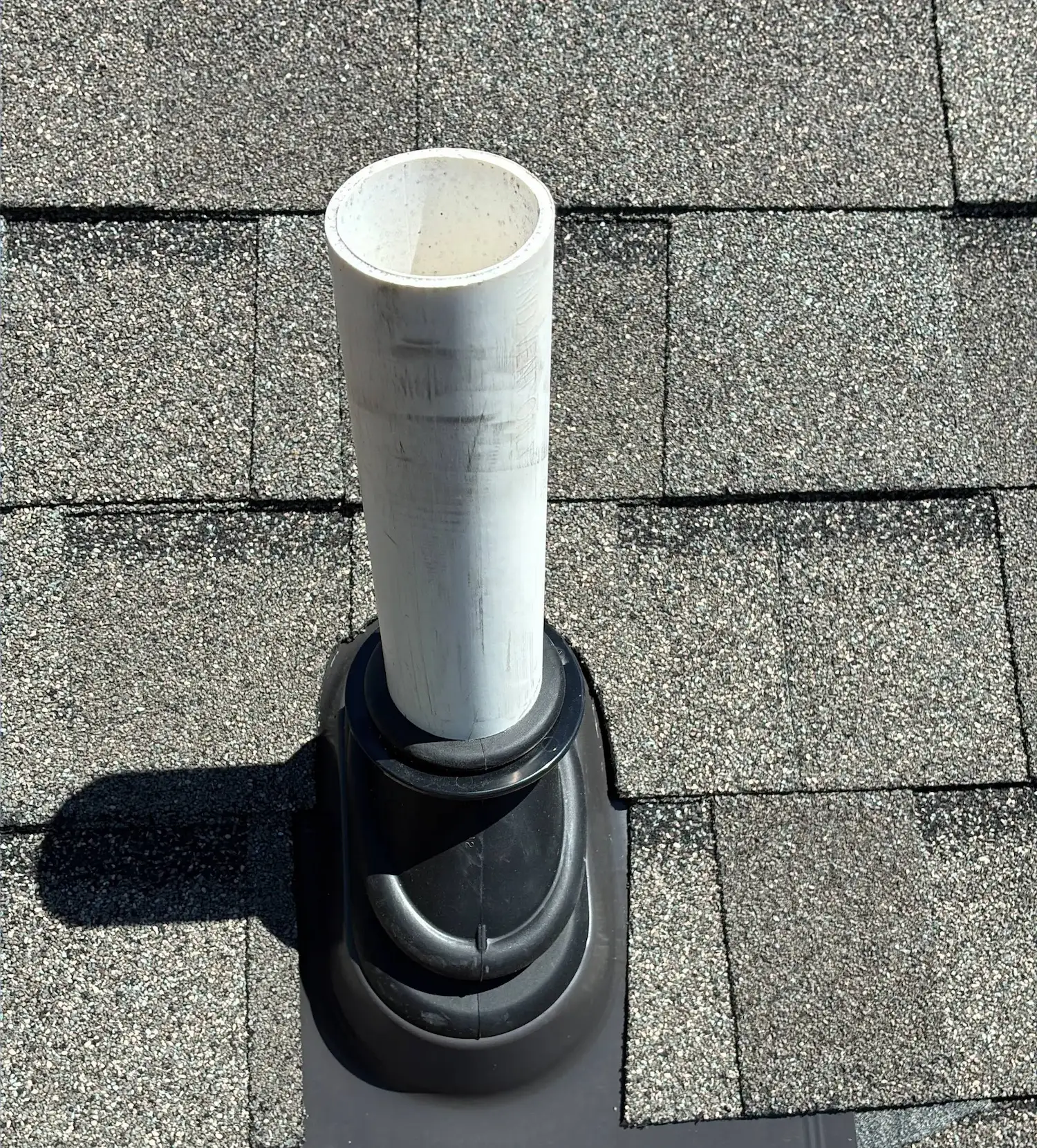
Some roofs announce their age with missing shingles and ceiling stains. Others just quietly run out the clock. The home behind this project sat on a wooded lot in the greater New River Valley with a roof that had been installed in the late 1980s — more than 35 years of service. From the ground it didn't look dramatic. It was only once our Blacksburg roofing team got the old material off that the full story showed up. This is a good look at why a roof's real condition lives underneath the shingles, and why an aging roof on a shaded lot deserves a closer look than its curb appearance suggests.
A roof surrounded by mature trees lives in a tougher microclimate than one in open sun. Shade keeps the roof damp longer after every rain, which encourages moss and algae and slows the drying that asphalt shingles depend on. Constant leaf fall traps moisture against the surface and clogs the flow paths water needs to leave the roof. Over three-plus decades, that combination does more quiet damage than UV alone. By the time this roof came off, the shingles had given up most of their protective granules and the mat underneath had grown brittle — the kind of condition that's invisible from the driveway but obvious the moment you start the tear-off.
This is the core argument for a full tear-off over a layover. Going over old shingles buries whatever the existing roof is hiding — soft decking, old failed flashing, the early rot you'd want to catch. A complete shingle roof replacement down to the bare deck let our crew inspect every sheet of sheathing, replace what needed replacing, and start the new system on a sound, dry surface. On a roof this old, that step isn't optional — it's the whole point. Anyone weighing repair versus replacement on a decades-old roof benefits from a straight professional roof inspection first, so the decision is based on what's actually under there.
This home had a skylight, and skylights are one of the most common leak points on an aging roof. The glass usually outlasts the seal around it: the flashing kit and the surrounding underlayment are what fail, often years before the rest of the roof does. Rather than shingle around an old, tired flashing detail, our crew addressed the skylight as part of the replacement — new underlayment and proper flashing integration so the most vulnerable penetration on the roof starts its next chapter watertight. Reusing a skylight always carries some risk, which we're upfront about, but reflashing it correctly during a full replacement is how you give it the best shot.
The specification for this New River Valley-area replacement:
This replacement was done under the Cenguard Gold package, which covers both workmanship and material defects and transfers to a new owner if the home sells within five years of completion. For a homeowner replacing a roof that lasted 35 years, that workmanship-plus-materials coverage is the reassurance that the next roof is set up to go the distance too. It's our standard offering for owner-occupied single-family homes across the New River Valley.
If your roof is pushing past the two-decade mark — especially on a shaded, wooded lot where wear hides well — it's worth getting eyes on it before a leak makes the decision for you. Every Cenvar replacement comes with $0 down and no payment until the work is complete, plus our 100% satisfaction guarantee, and Service Finance financing is available if you'd rather spread the cost. Our Blacksburg team is glad to take an honest look — request a free roofing estimate and we'll tell you what we actually see.

.svg)