Refer a Friend - Earn $200

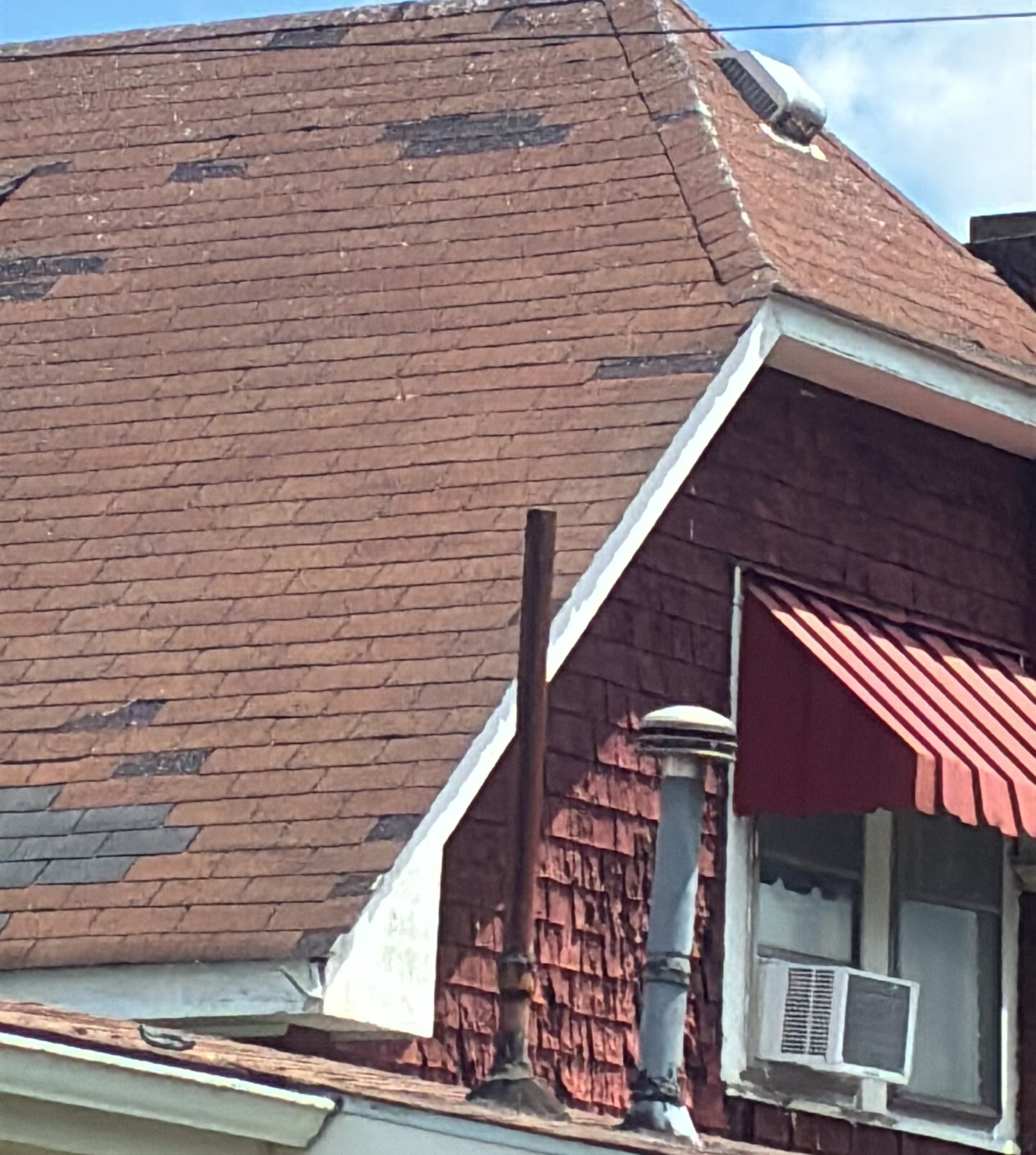
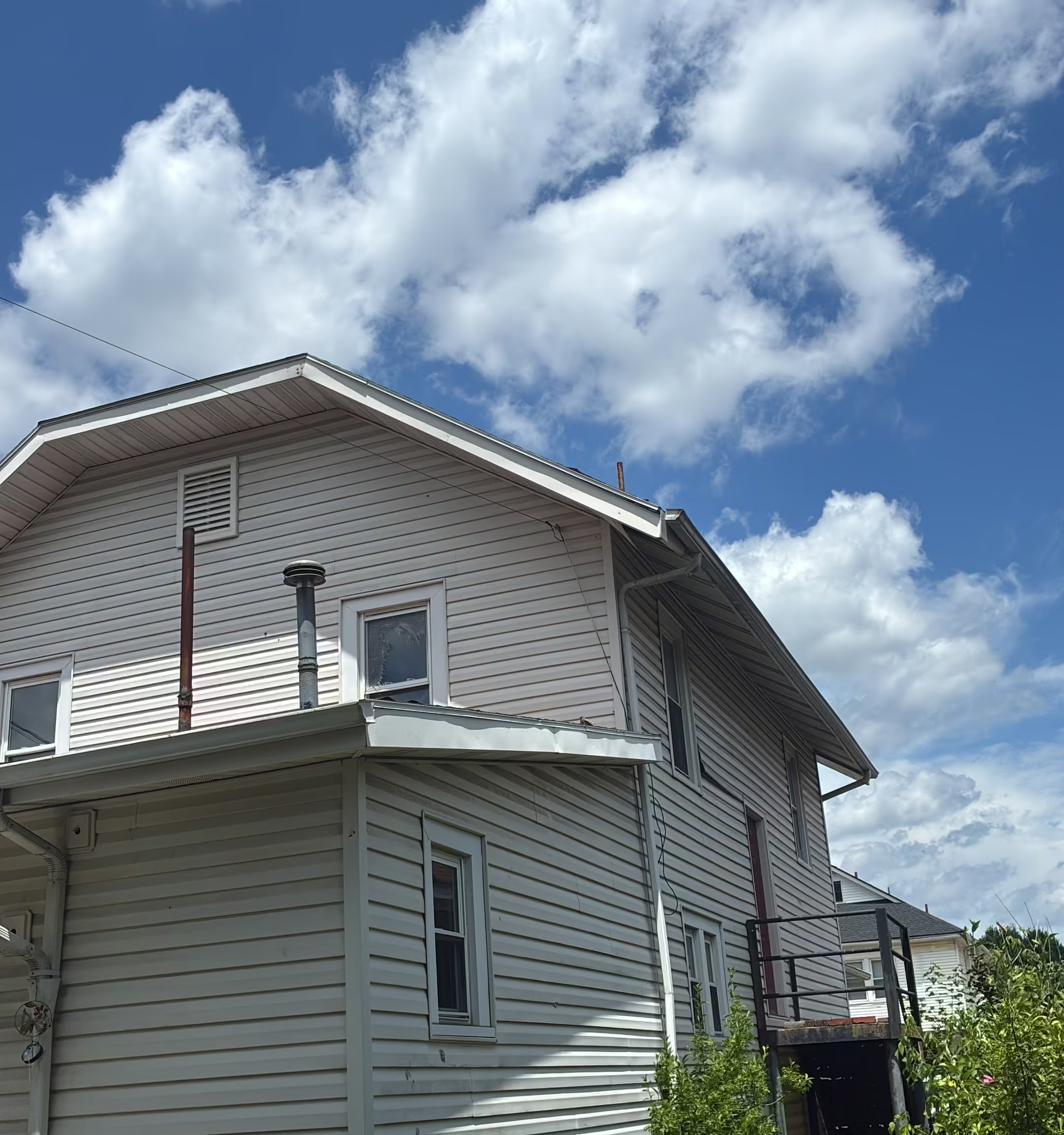
Not every roof is built on a single, simple slope. Some homes — like this one on 4th Avenue in Huntington, West Virginia — combine steep, fast-shedding facets with low-slope sections that drain slowly and demand extra waterproofing. When the homeowner, Delanie, reached out to our Huntington roofing team, the goal was clear: a full tear-off and replacement that would handle both pitch extremes without leaving a single vulnerable seam behind.
This project is a textbook example of why mixed-pitch roofs require a roofer who understands drainage, not just shingles. Here's how our crew approached it.
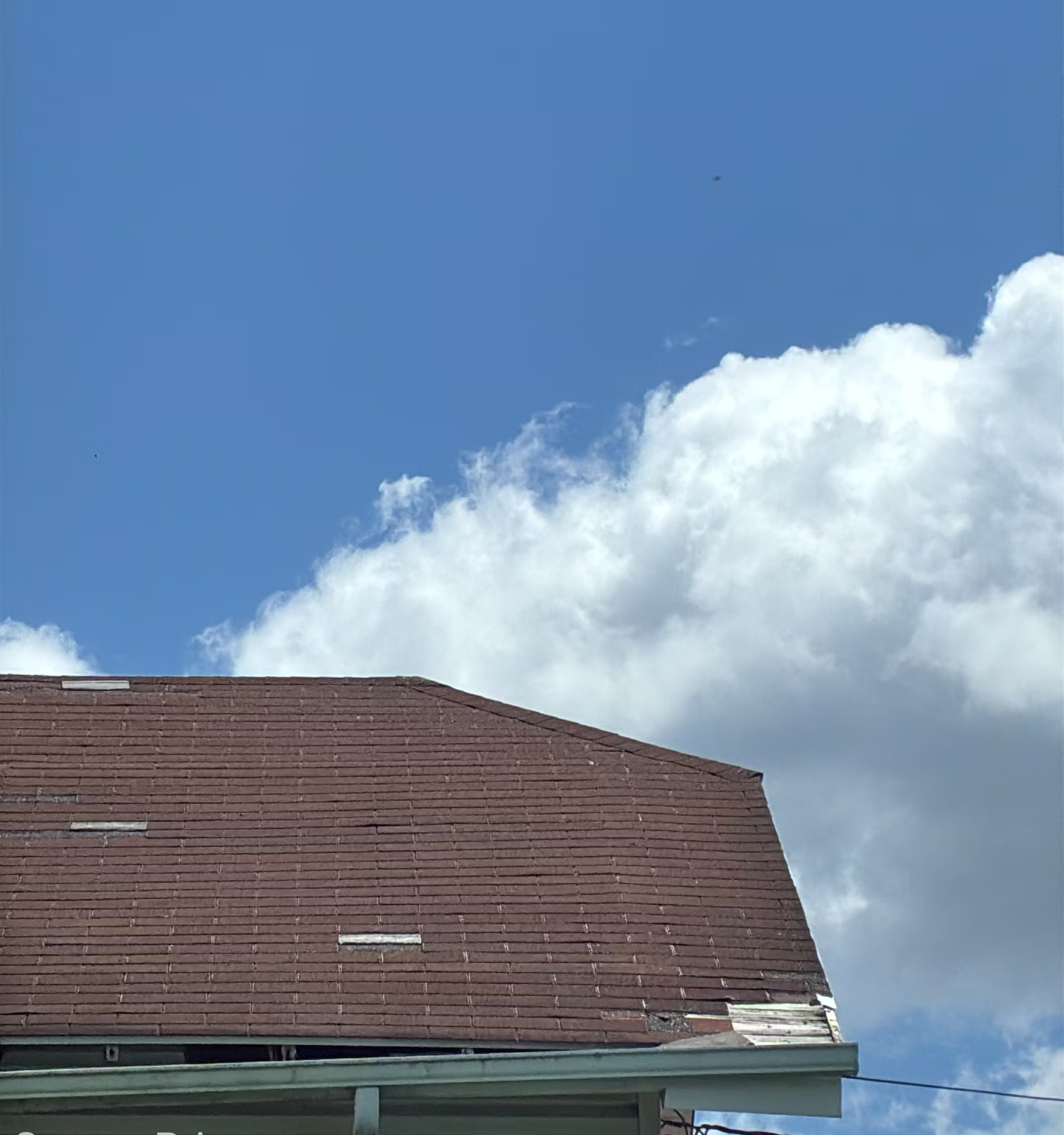
A roof's pitch determines how quickly water sheds — and how aggressively you have to defend against it. This home featured a primary roof at a steep 8/12 pitch, where water runs off fast, alongside lower sections sitting at just 2/12 and 3/12. On those low-slope facets, water lingers, wind can drive rain uphill under the shingles, and standard underlayment alone simply isn't enough.
Our Huntington branch measured the roof at 18.7 squares across 8 facets, with 25 linear feet of ridges, 87 feet of rakes, and 159 feet of eaves. Every one of those transitions is a potential entry point for water if it isn't sealed correctly — which is exactly where our material strategy came in.
Building code — and common sense — calls for ice and water shield across the entire surface of any roof section pitched below 4/12. On this project, that meant blanketing the 2/12 and 3/12 facets completely, rather than just running membrane along the eaves. We installed seven additional squares of Owens Corning ice and water shield to seal those vulnerable areas from edge to edge.
This is the kind of detail that's invisible once the shingles go on, but it's the single most important factor in whether a low-slope roof stays dry for decades or starts leaking in its first hard winter. A professional roof inspection on an older home will almost always reveal whether the previous installer cut this corner.
Delanie selected our Cenguard Gold shingle replacement package, anchored by Owens Corning TruDefinition Duration architectural shingles in a striking Onyx Black. These 50-year shingles use Owens Corning's SureNail Technology for superior wind resistance — a meaningful upgrade on a steep-pitch roof exposed to West Virginia's seasonal storms.
The complete system installed on this home included:
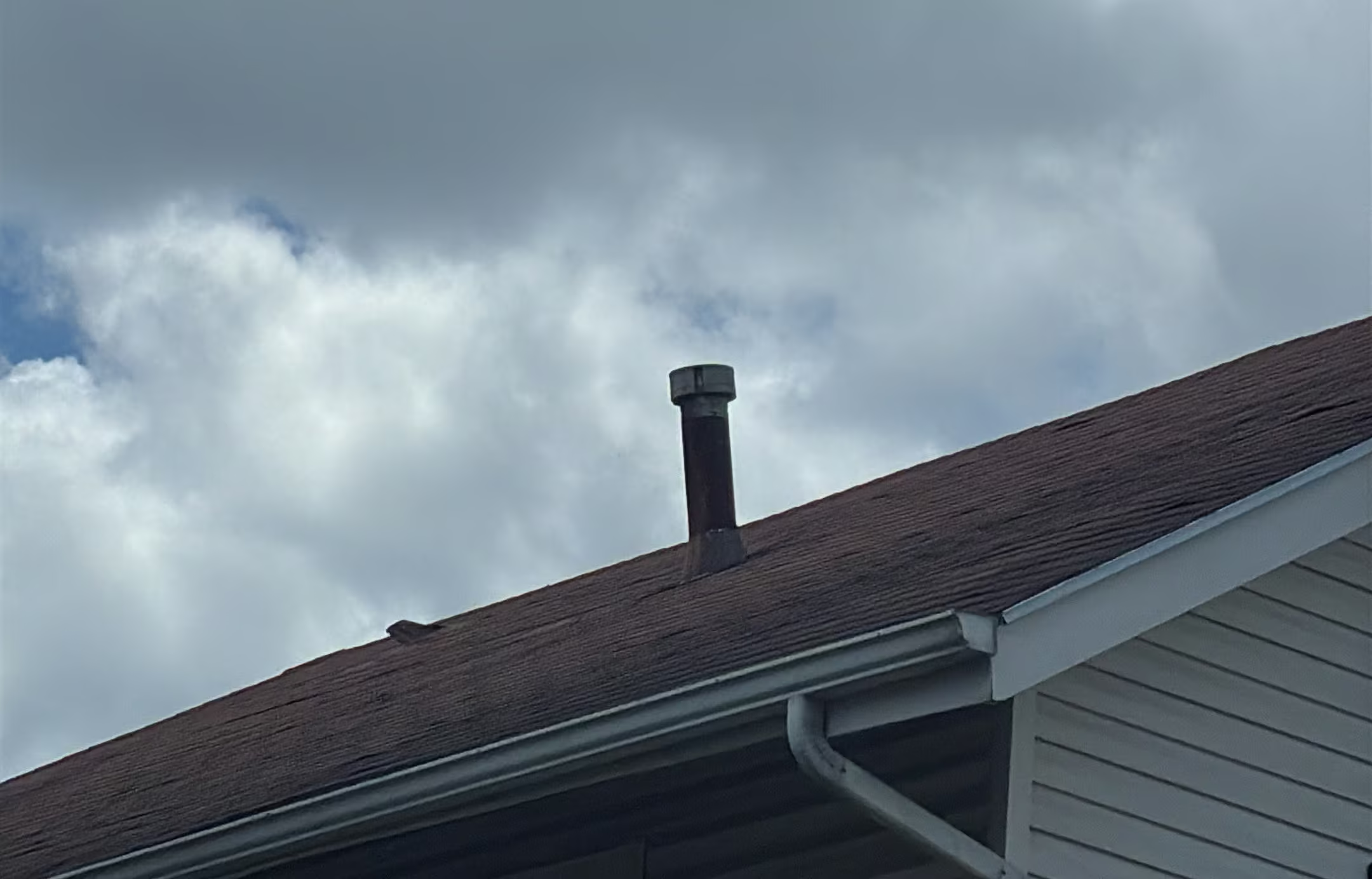
It's a roofing truth that the majority of leaks don't come from the shingle field — they come from penetrations and transitions. That's why our crew replaced every flashing component on this home: 32 linear feet of counter and skirt flashing and 19 feet of step flashing, all renewed rather than reused. We also installed three lifetime plumbing boots, which carry a 50-year manufacturer warranty and eliminate the most common failure point on any roof: the cracked rubber pipe boot.
Combined with new aluminum drip edge along every eave and rake, this approach seals the roof's most failure-prone areas for the long haul. It's the same standard our West Virginia roofing teams bring to every replacement.
Every Cenguard Gold roof is covered by our 20-year warranty protecting both workmanship and materials — and it's transferable if the home changes hands within five years of completion. True to the Cenvar promise, this project also came with $0 down and no payment due until the work was complete, with Service Finance financing available for homeowners who want to spread the cost.
Whether your roof has a tricky low-slope section, aging flashing, or you simply want an honest assessment, our Huntington roofing professionals are ready to help. Request your free roofing estimate today and find out what an ethical, expert, engaged roofing team can do for your home.

.svg)